

Roshi Product Knowledge
TPE, STPE, and Silicone Love Dolls: Which Material Should You Choose?
Quick Answer
If you are choosing between TPE, STPE, and silicone, do not start with "which one is most realistic?" Start with the ownership you actually want.
TPE is usually the softer and more budget-friendly path, but it often asks for more cleaning attention, more stain prevention, and more surface-care discipline. Silicone is usually the more premium path for detail, surface stability, and lower oiliness, but it costs more and may feel firmer depending on the formula. STPE or S-TPE is best read as a TPE-family upgrade claim unless the seller clearly explains what changed.
So the practical answer is:
- choose TPE if softness and budget matter most, and you are willing to care for it carefully
- choose silicone if you want cleaner surface behavior, stronger detail, and a more premium finish
- choose STPE only when the seller can explain the upgrade in plain language, not just with a label
There is no material that removes the need for care. The right material is the one whose tradeoffs match how you will actually own the doll.
What TPE, STPE, And Silicone Usually Mean
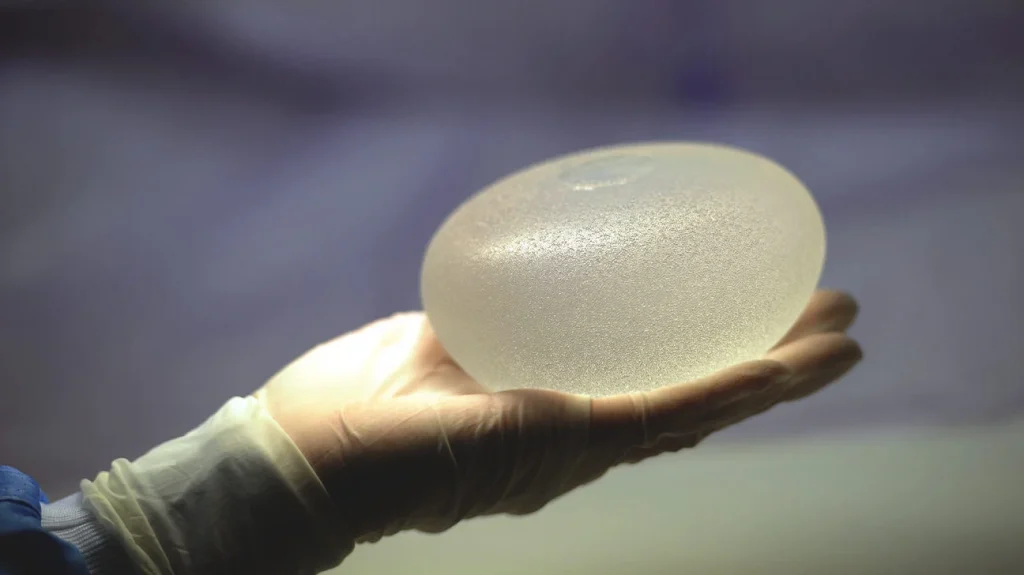
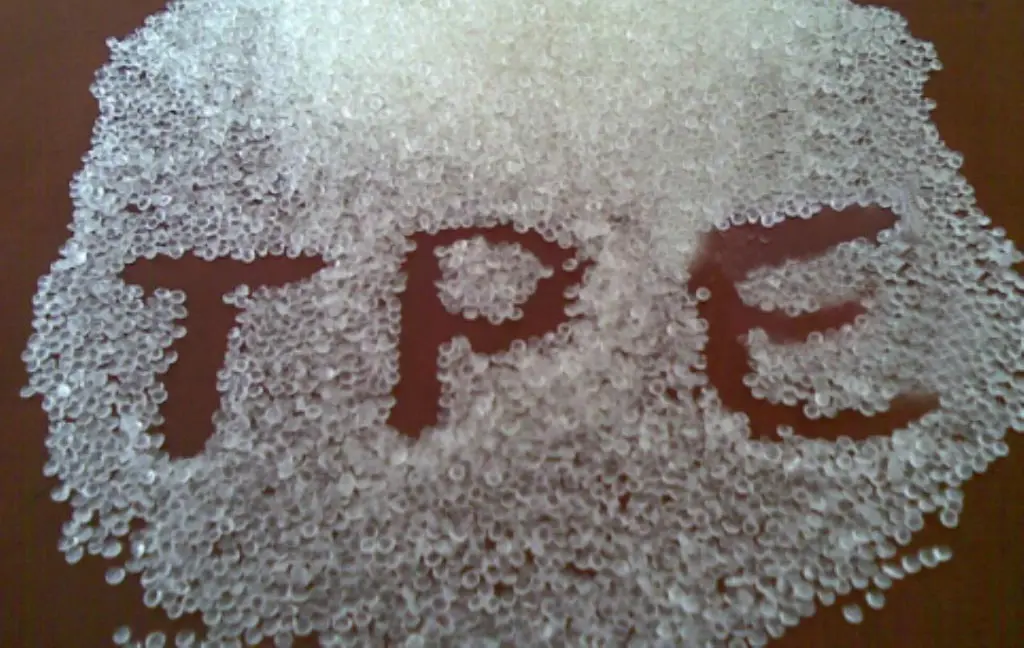
TPE stands for thermoplastic elastomer. In love doll products, it usually means a soft, flexible material system used for the doll's skin and body surface. Buyers often like TPE because it can feel warm, pliable, and approachable in price.
Silicone is a different material family. In this market, it is usually positioned as more premium, with stronger detail, cleaner surface stability, and less oiliness than many TPE products. That does not mean every silicone doll feels the same. Formula, body design, softness grade, and manufacturer standards still matter.
STPE, sometimes written S-TPE, is more complicated. It usually appears as an upgraded TPE label. A seller may use it to suggest better durability, improved softness, finer texture, or less stickiness. The problem is that STPE is not a single industry-wide standard in the available source set. One brand's STPE claim may not mean exactly the same thing as another brand's STPE claim.
That is why STPE should not be treated as magic. Treat it as a question:
- What is improved compared with normal TPE?
- Does the care routine change?
- Is stain resistance actually explained?
- Is the upgrade supported by product details, or only by marketing language?
If the seller can answer those questions clearly, STPE may be useful. If not, compare it as an upgraded TPE claim, not as a guaranteed third category.
The Real Difference Is Ownership, Not Just Feel
Material choice affects how the doll feels on day one, but the bigger difference appears over time.
| Material path | Usually best for | Main strengths | Main tradeoffs |
|---|---|---|---|
| TPE | Buyers who prioritize softness and lower entry price | Soft touch, pliable feel, budget accessibility | More stain prevention, possible oiliness, more cleaning and surface care |
| STPE / S-TPE | Buyers who like TPE feel but want an explained upgrade | May improve some TPE traits depending on seller and formula | Not standardized; must verify what changed |
| Silicone | Buyers who prioritize detail, surface stability, and premium finish | Cleaner surface behavior, strong visual detail, generally less oiliness | Higher price, may feel firmer or cooler depending on formula |
This is why a simple "TPE is soft, silicone is durable" answer is not enough. The decision also includes how often you want to clean, how careful you are with clothing, whether you care more about surface detail or plush feel, and how much uncertainty you are comfortable accepting.
For a first-time buyer, the best material is often the one that matches your maintenance personality. If you dislike ongoing care, the cheapest option may not feel cheap after ownership begins. If you love a softer feel and do not mind a more careful routine, TPE can still make sense.
Softness Is Not Only A Material Label
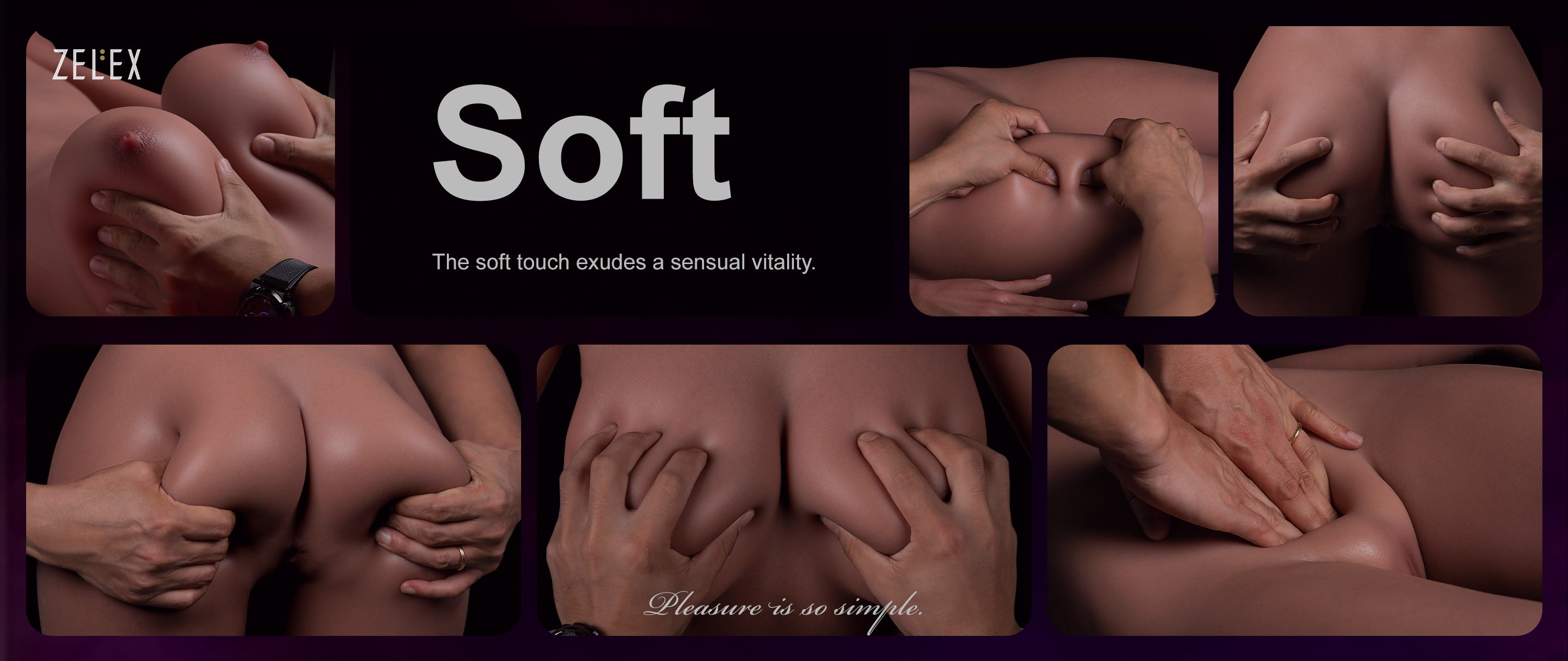
Buyers often assume TPE is always soft and silicone is always firm. That is too simple.
TPE often has the stronger reputation for softness, but not all TPE blends feel identical. Silicone can feel firmer in some models and surprisingly soft in others. Body design, internal filling, wall thickness, softness grade, and manufacturer choices can all change the final feel.
This matters because "soft" is not one experience. Some buyers want a plush, yielding feel. Others want a body that holds shape better, photographs cleanly, or feels easier to handle without surface tackiness. Those are different priorities.
The smarter question is not only "Which material is softer?" It is:
- Do I want maximum softness, or a balance of softness and surface stability?
- Am I comparing finished dolls, or only material labels?
- Does the seller explain softness grade, body design, or series-specific feel?
- Do photos and product descriptions show the same expectation?
If softness is your main reason for choosing a material, ask for model-specific guidance instead of relying only on the category name.
Where STPE Fits: Useful Claim, Not Universal Standard
STPE can be useful language when it is explained well. It may point to a TPE-family material that aims to improve texture, durability, elasticity, or surface feel.
The problem is not the word itself. The problem is when the word is asked to do too much.
If a product page says "STPE" but does not explain what is different from TPE, the buyer still does not know much. Does it resist stains better? Does it need less powder? Is it less oily? Is it softer, firmer, or more elastic? Does it repair like TPE? Does it have the same clothing restrictions?
A responsible seller should be able to translate the label into ownership language. If they cannot, you should not pay extra just because the letters sound upgraded.
Use this rule:
If STPE is explained in terms of feel, care, and tradeoffs, compare it seriously. If STPE is only used as a premium word, treat it as upgraded TPE marketing until proven otherwise.
Maintenance Is Part Of The Material Choice
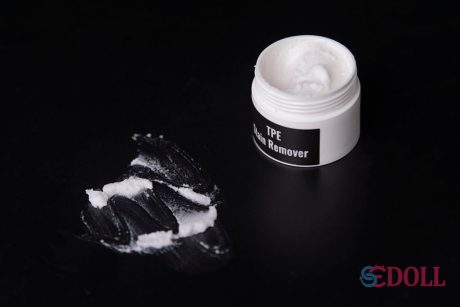
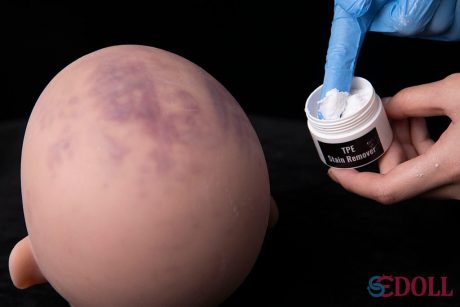
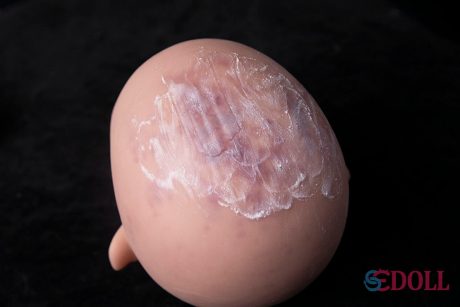
Material is not only about touch. It is also about what happens after the doll arrives.
TPE commonly requires more attention to surface care. Dark clothing, tight fabrics, accessories, and poor storage habits can increase stain risk. Some TPE products may need powdering or oiling guidance depending on the manufacturer. Cleaning and drying also matter because surface care affects how the doll looks and feels over time.
Silicone is generally easier for many buyers to think about because it is less associated with oiliness and dye transfer than TPE. But silicone is not zero-maintenance. It still needs proper cleaning, careful drying, safe storage, and avoidance of harsh chemicals unless the manufacturer supports them.
For TPE or STPE, prevention is usually easier than repair:
- be careful with dark or unwashed clothing
- avoid leaving tight dyed fabrics on the doll for long periods
- clean and dry the body according to seller guidance
- use only care products that match the material
- do not assume a stain-removal method is universal
- store the doll in a way that protects pressure points and surface finish
This is where many buying guides become too shallow. A material that feels amazing for the first week can become frustrating if the care routine does not fit you. A material that costs more upfront can feel worth it if it reduces the exact maintenance worries you care about.
Which Material Should You Choose?
Use the material as a filter, not as the whole decision.
| Your priority | Better starting point | Why |
|---|---|---|
| Lowest entry cost | TPE | Usually more budget-accessible than silicone |
| Soft, pliable feel | TPE or clearly explained STPE | TPE-family materials often focus on softness |
| Cleaner surface behavior | Silicone | Often less oily and easier to maintain in day-to-day ownership |
| Fine visual detail | Silicone | Often used for premium detail and finish |
| Less uncertainty | Silicone or well-documented TPE | The clearer the seller's care rules, the safer the decision |
| TPE feel with possible upgrade | STPE | Only if the seller explains what improved |
| First-time buyer with low care tolerance | Silicone may be safer | Higher upfront cost can be worth it if maintenance anxiety is high |
| First-time buyer with budget focus | TPE may be enough | Choose carefully and accept the care routine from the start |
The honest advice is simple: do not buy the material you wish you were patient enough to maintain. Buy the material whose routine you will actually follow.
What Material Cannot Decide For You
Material matters, but it does not solve every ownership question.
It does not decide the skeleton, poseability, standing feet, head system, ROS options, weight, storage method, or privacy experience. A silicone doll can still be heavy. A TPE doll can still have a good skeleton. A premium head function is a separate decision from body material.
If you are comparing the whole product, read material together with the rest of the product system:
- skeleton and movement options
- head and mouth-function options
- body weight and handling
- storage and cleaning plan
- shipping privacy
- replacement, repair, or support policy
For movement and structure, see What Is a Love Doll Skeleton?. For head-system questions, see What Is a ROS Head?.
Questions To Ask Before You Buy
Before choosing TPE, STPE, or silicone, ask these questions:
- What material is listed, and does the seller explain it in buyer language?
- If the label says STPE, what exactly is improved compared with TPE?
- What care routine does the seller recommend?
- Are there warnings about dark clothing, dye transfer, powdering, oiling, or stain products?
- Is the material choice connected to a specific model or series?
- Does the product page explain softness, firmness, or surface finish clearly?
- Are you choosing by your own use case, or only by a premium-sounding label?
- Does the seller give enough information to trust the material claim?
Clear answers matter. If two options look similar, the one with clearer material and care guidance is usually the safer purchase.
In Short
TPE, STPE, and silicone are not just labels. They are different ownership paths.
TPE usually gives buyers a softer and more budget-friendly experience, but it asks for more care. Silicone usually offers stronger detail, cleaner surface behavior, and a premium finish, but it costs more and may feel different from what a softness-focused buyer expects. STPE may be a useful TPE-family upgrade, but only when the seller explains what the upgrade means in real ownership terms.
Choose by feel, care tolerance, budget, and trust in the seller's explanation. That decision will age better than choosing by the most impressive word on the page.
FAQ
Is TPE or silicone better for a first love doll?
It depends on the buyer. TPE is often better for lower budget and softer feel. Silicone is often better for buyers who want cleaner surface behavior, stronger detail, and less maintenance anxiety.
Is STPE better than TPE?
Not automatically. STPE usually works as an upgraded TPE-family claim, but the meaning varies by seller. Ask what improved, how the care routine differs, and what tradeoffs remain.
Does silicone feel less realistic than TPE?
Not necessarily. TPE often has a softer reputation, but realism also depends on formula, body design, finish, internal structure, and buyer preference. Some buyers prefer softness; others prefer surface stability and detail.
Which material is easier to maintain?
Silicone is generally easier for many buyers because it is less associated with oiliness and dye-transfer concerns. But silicone still needs proper cleaning, drying, and storage.
Can clothing stain TPE or silicone?
Dark or dyed clothing can create stain risk, especially with TPE. Buyers should be careful with dark fabrics, tight clothing, and long-term contact. Always follow the seller's care guidance.
Should I pay more for silicone?
Pay more for silicone if its advantages match your priorities: detail, surface stability, lower oiliness, and lower care anxiety. If your top priority is soft feel and budget, a well-explained TPE or STPE option may still fit better.